
Skip to content

Low Energy membranes

Membranes designed to reduce process energy use, subject to approved feed conditions and design.

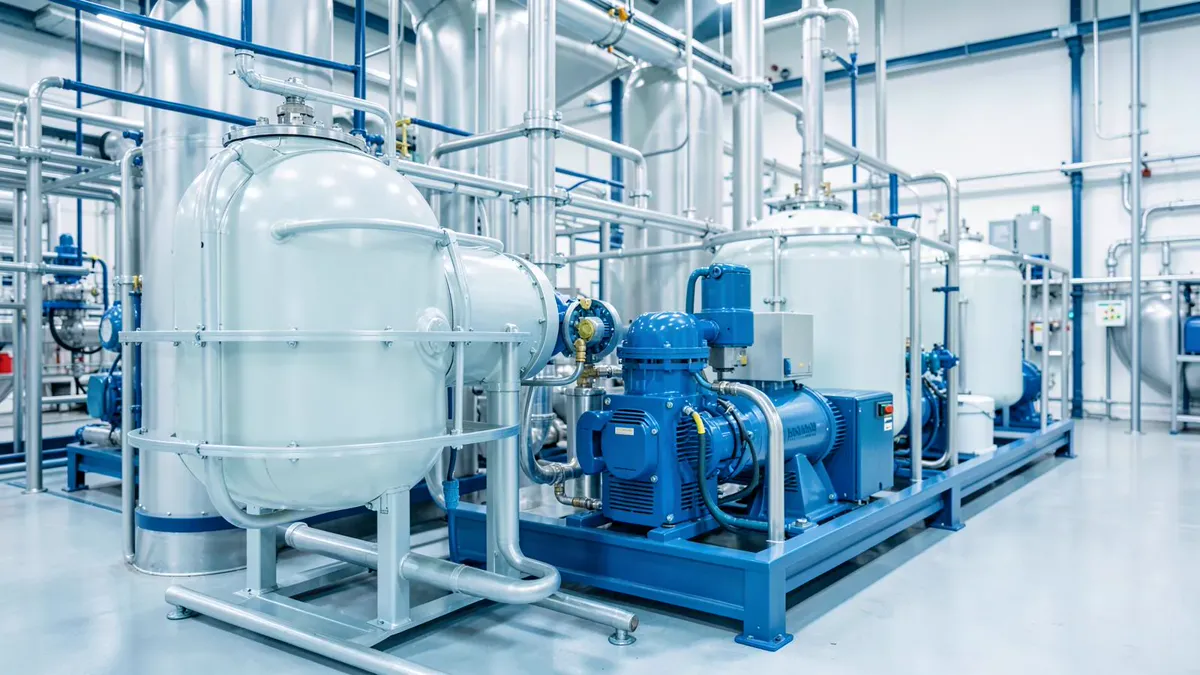
Low-energy membrane treatment system

Quick Summary

The Low Energy series is intended for applications where energy use is a key consideration. Suitability depends on feed water quality, system design and operating conditions, and is reviewed by the Nimbus team before any model is recommended.

Suitable application

Reviewed for systems where energy use is a central design consideration.

Selection conditions

Fit is determined by feed water quality, required flow and site conditions.

Low Energy Series Models

The Low Energy Series is intended for applications where energy efficiency and treated water quality are important considerations. Model selection depends on feed water quality, process requirements, system capacity and operating conditions.

NIM-XLE-8040-HF

Ultra Low Energy RO Membrane

8040 Format

Nominal permeate flow
13,000 GPD (49.2 m³/d)
Nominal salt rejection
99%
Active Membrane Area
440 ft² (40.9 m²)
Max Operating Pressure
600 psi (41 bar)

Nominal flow and rejection at the model’s test conditions; not a commitment to field performance.

Active Membrane Area

Active Membrane Area
440 ft² (40.9 m²)

Operating Limits

Max Operating Pressure
600 psi (41 bar)
Max Operating Temperature
45°C (113°F)
Continuous Operating pH
2.0–11.0
CIP pH Range
1.0–12.0
Maximum Feed Water Silt Density Index
SDI15 < 5.0
Free Chlorine Tolerance
< 0.1 ppm
Max Pressure Drop per Element
15 psi (1.0 bar)

Dimensions

Length
40.0 in (1,016 mm)
Outer Diameter
7.9 in (201 mm)
Central Tube Diameter
1.125 in (28.6 mm)

Standard Test Conditions

Test Pressure
100 psi
Salt Concentration
500 ppm NaCl
Test Temperature
25°C
Recovery
15%
Test pH
7.5-8.0

Values are measured at the stated test conditions and are not a commitment to field performance. Engineering review is required for every application.

Request a Quote

NIM-XLE-8040

Ultra Low Energy RO Membrane

8040 Format

Nominal permeate flow
11,000 GPD (41.6 m³/d)
Nominal salt rejection
99.2%
Active Membrane Area
400 ft² (37.2 m²)
Max Operating Pressure
600 psi (41 bar)

Nominal flow and rejection at the model’s test conditions; not a commitment to field performance.

Active Membrane Area

Active Membrane Area
400 ft² (37.2 m²)

Operating Limits

Max Operating Pressure
600 psi (41 bar)
Max Operating Temperature
45°C (113°F)
Continuous Operating pH
2.0–11.0
CIP pH Range
1.0–12.0
Maximum Feed Water Silt Density Index
SDI15 < 5.0
Free Chlorine Tolerance
< 0.1 ppm
Max Pressure Drop per Element
15 psi (1.0 bar)

Dimensions

Length
40.0 in (1,016 mm)
Outer Diameter
7.9 in (201 mm)
Central Tube Diameter
1.125 in (28.6 mm)

Standard Test Conditions

Test Pressure
100 psi
Salt Concentration
500 ppm NaCl
Test Temperature
25°C
Recovery
15%
Test pH
7.5-8.0

Values are measured at the stated test conditions and are not a commitment to field performance. Engineering review is required for every application.

Request a Quote

NIM-XLE-4040-HF

Ultra Low Energy RO Membrane

4040 Format

Nominal permeate flow
3,500 GPD (13.2 m³/d)
Nominal salt rejection
99%
Active Membrane Area
85–90 ft² (7.9–8.4 m²)
Max Operating Pressure
600 psi (41 bar)

Nominal flow and rejection at the model’s test conditions; not a commitment to field performance.

Active Membrane Area

Active Membrane Area
85–90 ft² (7.9–8.4 m²)

Operating Limits

Max Operating Pressure
600 psi (41 bar)
Max Operating Temperature
45°C (113°F)
Continuous Operating pH
2.0–11.0
CIP pH Range
1.0–12.0
Maximum Feed Water Silt Density Index
SDI15 < 5.0
Free Chlorine Tolerance
< 0.1 ppm
Max Pressure Drop per Element
15 psi (1.0 bar)

Dimensions

Length
40.0 in (1,016 mm)
Outer Diameter
3.9 in (99 mm)
Central Tube Diameter
0.75 in (19.0 mm)

Standard Test Conditions

Test Pressure
100 psi
Salt Concentration
500 ppm NaCl
Test Temperature
25°C
Recovery
15%
Test pH
7.5-8.0

Values are measured at the stated test conditions and are not a commitment to field performance. Engineering review is required for every application.

Request a Quote

NIM-XLE-4040

Ultra Low Energy RO Membrane

4040 Format

Nominal permeate flow
2,600 GPD (9.8 m³/d)
Nominal salt rejection
99.2%
Active Membrane Area
85–90 ft² (7.9–8.4 m²)
Max Operating Pressure
600 psi (41 bar)

Nominal flow and rejection at the model’s test conditions; not a commitment to field performance.

Active Membrane Area

Active Membrane Area
85–90 ft² (7.9–8.4 m²)

Operating Limits

Max Operating Pressure
600 psi (41 bar)
Max Operating Temperature
45°C (113°F)
Continuous Operating pH
2.0–11.0
CIP pH Range
1.0–12.0
Maximum Feed Water Silt Density Index
SDI15 < 5.0
Free Chlorine Tolerance
< 0.1 ppm
Max Pressure Drop per Element
15 psi (1.0 bar)

Dimensions

Length
40.0 in (1,016 mm)
Outer Diameter
3.9 in (99 mm)
Central Tube Diameter
0.75 in (19.0 mm)

Standard Test Conditions

Test Pressure
100 psi
Salt Concentration
500 ppm NaCl
Test Temperature
25°C
Recovery
15%
Test pH
7.5-8.0

Values are measured at the stated test conditions and are not a commitment to field performance. Engineering review is required for every application.

Request a Quote

Low Energy Reverse Osmosis Membranes

This membrane category is commonly reviewed for projects where operational efficiency and treated water quality objectives are important considerations.

Applications may include industrial water systems, commercial facilities, infrastructure projects and process water treatment applications.

  • מערכות מים לתעשייה
  • מי תהליך
  • תשתיות
  • מבנים מסחריים
  • מערכות טיפול משלימות

Selecting a water-treatment solution is an engineering and operational process. It begins with the water source, composition, variation over time, required flow, target quality, operating hours, site constraints and maintenance approach. A technology name alone is not sufficient to establish suitability.

Website information is general and is not a quotation, binding specification, fit approval or engineering approval. Scope, equipment, performance and conditions will be determined only after data review and an approved Nimbus proposal.